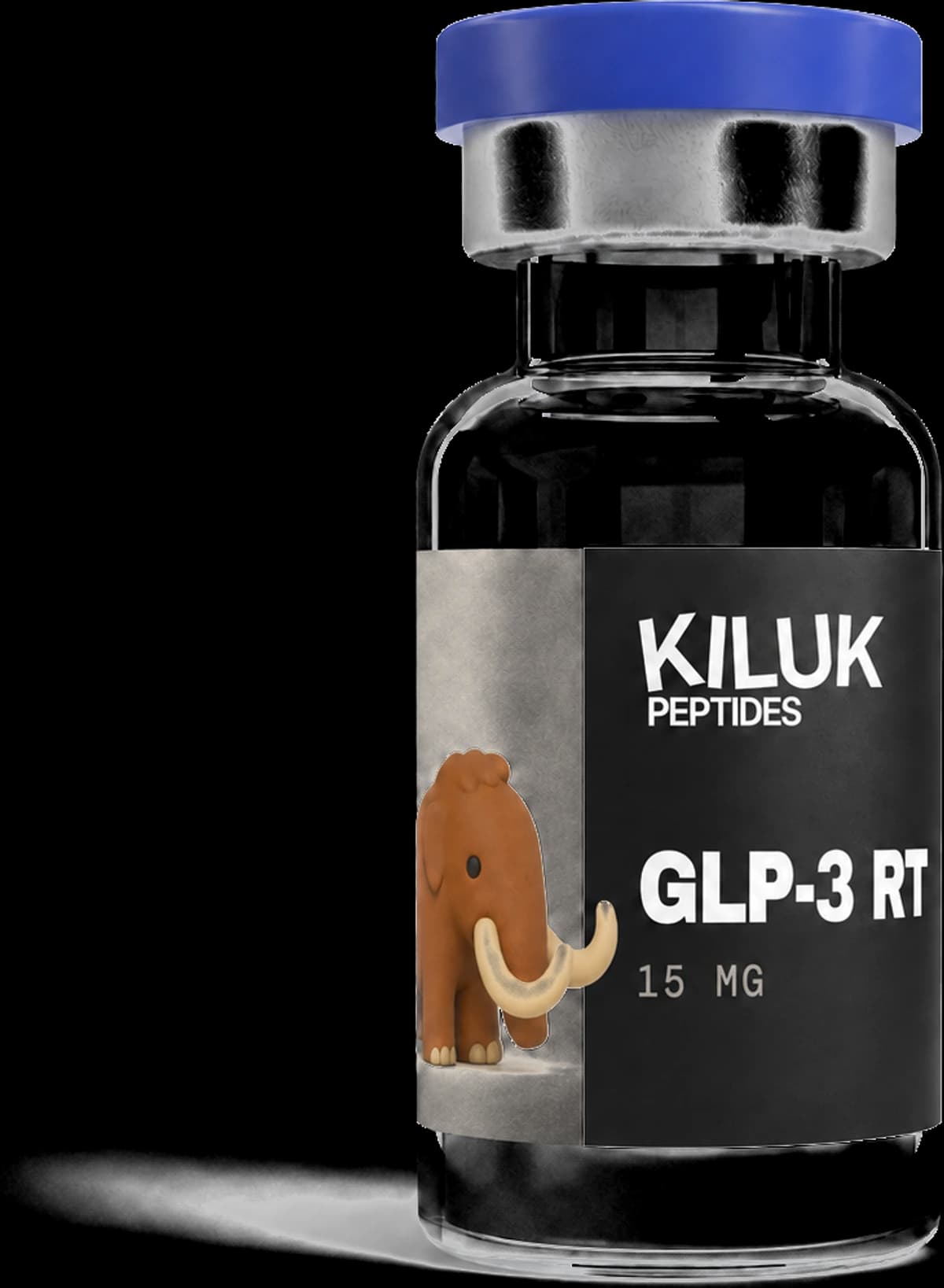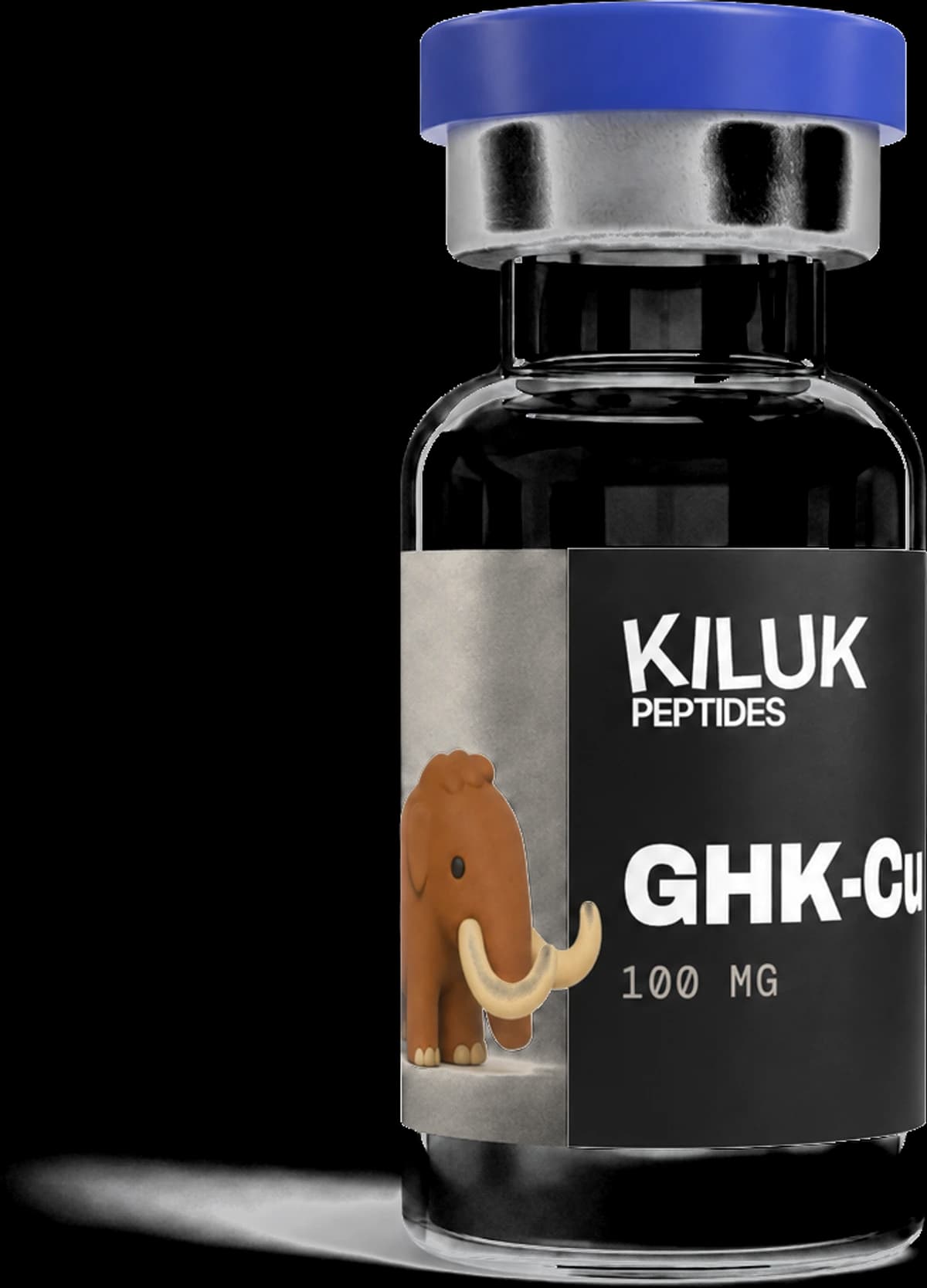

soon
MOTS-c
10 mg
65,00 €Neutral packaging, no branding


Produktbild folgt
Alternsforschung · Nicotinamid-Adenin-Dinukleotid
Coenzyme of redox metabolism. 500 mg powder.
Price per vial
79,00 €
incl. 19% VAT
· Shipping
Quantity
3 vials 3% off, 5 vials 5%, 10 vials 10% — pro rata in between
Shipping
Free with code
DHLPayment
Bank transfer in advance
Account
Not required
REDOX
Nicotinamide adenine dinucleotide, 500 mg powder. Coenzyme of electron transfer.
Research field
NAD+ (nicotinamide adenine dinucleotide) is not a peptide but a dinucleotide coenzyme made up of a nicotinamide and an adenine nucleotide, joined by a pyrophosphate bridge. In cell biochemistry it forms the NAD+/NADH redox pair together with NADH: as the electron acceptor of numerous dehydrogenases in glycolysis and the citric acid cycle, NAD+ takes up electrons, while the NADH formed in the process acts as a substrate of complex I in the respiratory chain and releases them again there. NAD+ is also a cosubstrate of NAD+-consuming enzymes — among them the sirtuins (SIRT1 to SIRT7), poly(ADP-ribose) polymerases and CD38 — which cleave off the nicotinamide moiety and transfer the ADP-ribose portion. In preclinical research the substance is examined above all in the context of mitochondrial function, cellular energy homeostasis, DNA repair and sirtuin signalling pathways. In the laboratory it serves as a cosubstrate and reference standard in enzymatic assays and in the analysis of nicotinamide nucleotide metabolism.
Specification
Storage
Store the powder dry, protected from light and tightly closed at −20 °C; 2–8 °C is possible for short periods. Protect from moisture, the material is hygroscopic. Keep out of reach of unauthorised persons.
Handling in the lab
Handling exclusively in a laboratory environment and under the rules that apply there. Let vials come to room temperature before opening so that no condensation forms on the hygroscopic solid. Keep contact with moisture, light and alkaline media to a minimum — in aqueous solution NAD+ is not stable over long periods in the alkaline range. Wear safety goggles, gloves and a lab coat in accordance with the safety data sheet (Sicherheitsdatenblatt) and keep work surfaces clean. Document the batch number, receipt and whereabouts of the material. Dispose of it in line with local regulations for laboratory chemicals. We do not provide information on preparation, quantities or any application in humans or animals.
From the lab to you
Four steps, none of them optional.
Synthese
Festphasensynthese, anschließend Aufreinigung.
Analyse
Reinheitsbestimmung im Labor.
Identität
Massenspektrometrische Bestätigung der Molmasse.
Charge
Chargennummer auf Etikett, Dokumentation im Haus.
01
Synthese
Festphasensynthese, anschließend Aufreinigung.
02
Analyse
Reinheitsbestimmung im Labor.
03
Identität
Massenspektrometrische Bestätigung der Molmasse.
04
Charge
Chargennummer auf Etikett, Dokumentation im Haus.
Common questions
Nicotinamide adenine dinucleotide, a coenzyme made up of a nicotinamide and an adenine nucleotide, linked by a pyrophosphate bridge. Molecular formula C21H27N7O14P2, molar mass 663.43 g/mol, CAS 53-84-9. It is supplied as the free acid in powder form.
No. NAD+ belongs to the pyridine dinucleotides and is not made up of amino acids. There is therefore no sequence to state — identity is established via the CAS number, molecular formula and molar mass.
As the electron acceptor of the dehydrogenases in the NAD+/NADH redox pair and as a cosubstrate of NAD+-consuming enzymes such as sirtuins, PARPs and CD38. Preclinically, the substance is examined in contexts including mitochondrial function, cellular energy homeostasis and DNA repair.
Every vial carries a batch number. We do not release figures that are not backed by a documented batch.
Dry, protected from light and tightly closed at −20 °C; 2–8 °C is possible for short periods. The material is hygroscopic, and repeated temperature changes are avoided. Details are set out in the safety data sheet (Sicherheitsdatenblatt).
Sold exclusively to persons aged 18 or over for use in laboratory, educational and research settings.
Legal notice
Research chemical for laboratory and research purposes only. Not for human or animal consumption, not intended for use in humans or animals. Not a medicinal product, not a food, not a food supplement, not a cosmetic. KILUK PEPTIDES gives no dosage, preparation or application recommendations and makes no statements about any effect in humans. Sold exclusively to persons aged 18 or over for use in laboratory, educational and research settings. The buyer is responsible for proper handling, storage, disposal and compliance with the applicable regulations.
More in the catalogue